The Realities of Winter Storm Power Outages in Bothell, WA
The Puget Sound region experiences some of the nation's most challenging storm weather. Between October and March, powerful low-pressure systems, atmospheric rivers, and bomb cyclones sweep in from the Pacific Ocean, dumping inches of rain that thoroughly saturate local glacial till soils. The massive western hemlocks, Douglas firs, and bigleaf maples that characterize neighborhoods like Norway Hill, Canyon Park, and Maywood regularly uproot or snap, taking down Puget Sound Energy and Snohomish PUD overhead distribution feeders. During severe regional events, full grid restoration can take three to six days.
Without electricity in a Pacific Northwest winter, residential homes rapidly drop into the 40s, risking hypothermia and burst frozen water pipes. However, running a portable generator through an open window with a maze of extension cords creates grave carbon monoxide poisoning risks, trip hazards, and cannot safely power hardwired appliances like your heating furnace, well pump, or water heater.
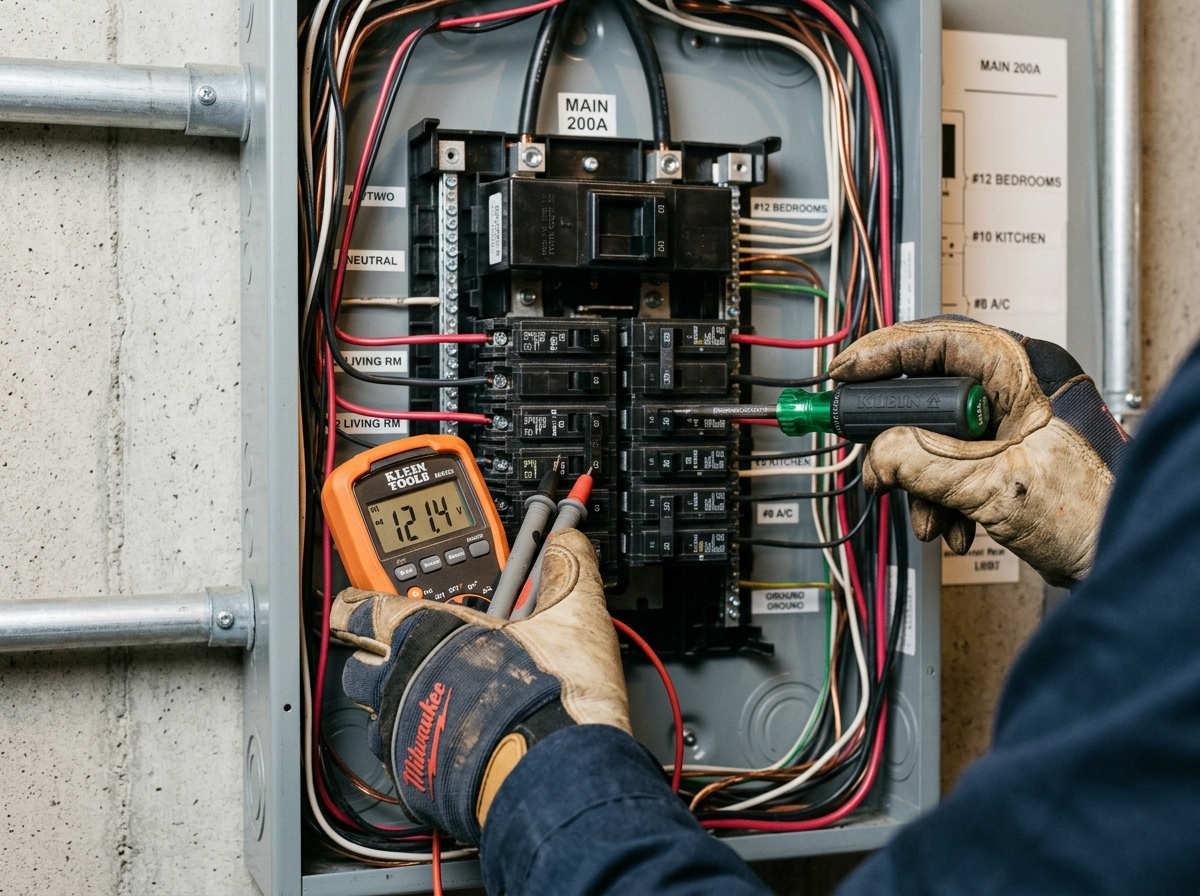
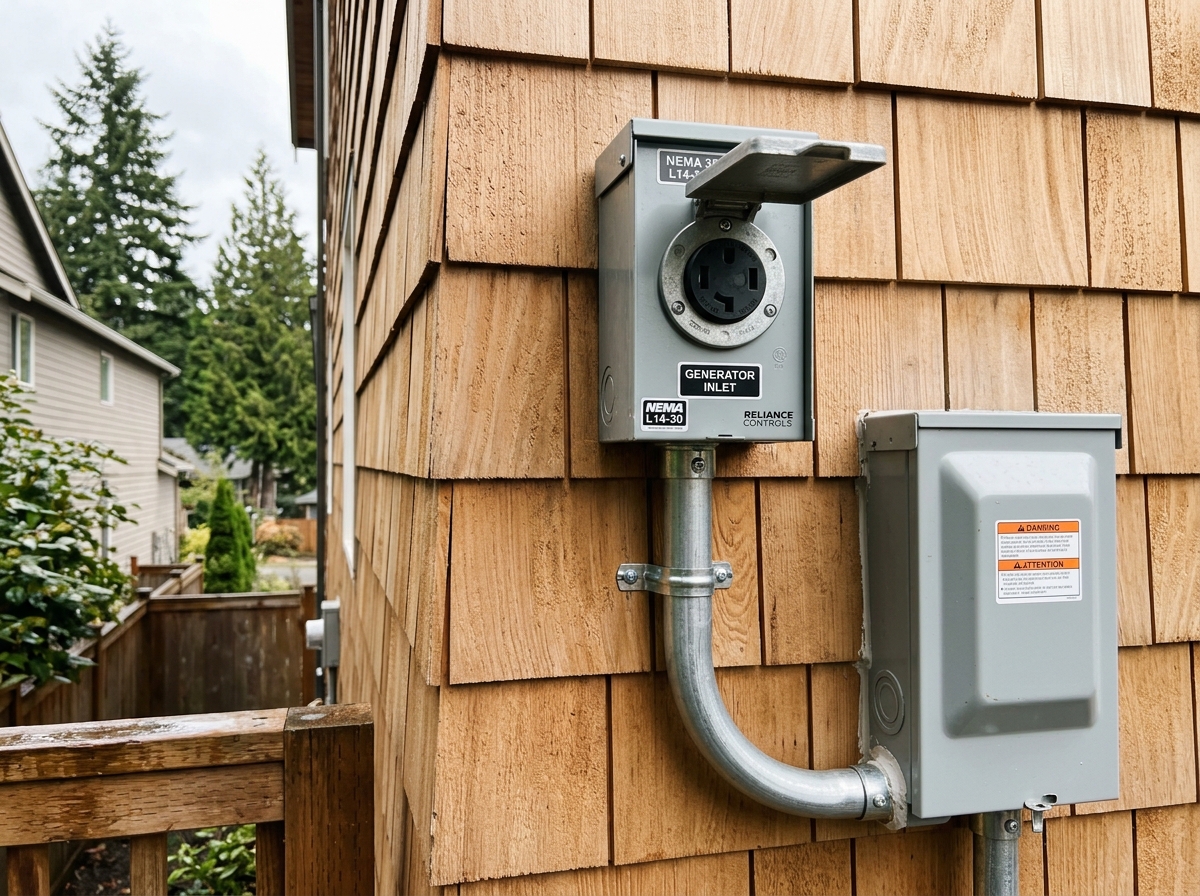
Crucially, attempting to plug a generator directly into a standard wall outlet with a double-male cord—a dangerous practice known as 'backfeeding'—is illegal and potentially deadly. Backfeeding sends high-voltage electricity backwards through your home panel and out through the utility transformer, stepping 240 volts back up to 7,200 volts on the neighborhood power lines. This presents an invisible, fatal electrocution hazard to utility lineworkers working in the dark to restore the grid. A certified generator interlock kit or transfer switch mechanically prevents utility power and generator power from ever connecting simultaneously.