Why Residential EV Charging Systems Overheat and Trip in Bothell
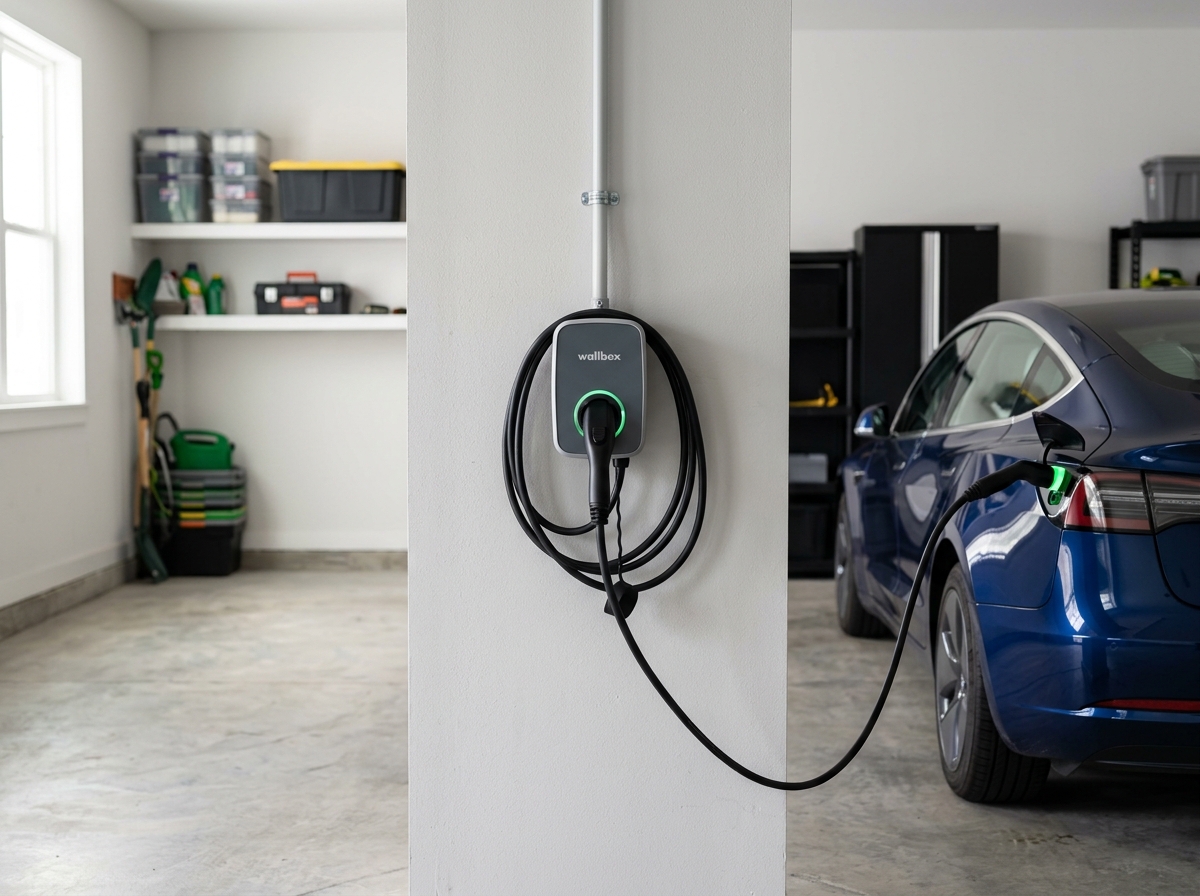
Charging an electric vehicle at home is unlike any other household electrical load. Under National Electrical Code (NEC Article 625), an EV charging station is classified as a 'continuous load'—meaning it draws maximum rated current non-stop for three hours or longer. Drawing 32 to 48 continuous amperes through a garage circuit for six to ten consecutive hours pushes every terminal screw, wire connection, and breaker to its maximum thermal threshold.
In many Bothell homes and newer townhomes in Canyon Park, North Creek, and Queensborough, builders or amateur installers cut costs by installing inexpensive, consumer-grade NEMA 14-50 receptacles designed for occasional electric ranges. A kitchen stove cycles heating elements on and off intermittently; it never pulls 40 continuous amps for eight hours straight. Subjected to continuous heavy EV charging, these consumer-grade outlets undergo thermal fatigue: contact blades widen, terminal screws loosen, and the receptacle housing melts, scorching wall plates and risking structural fires.
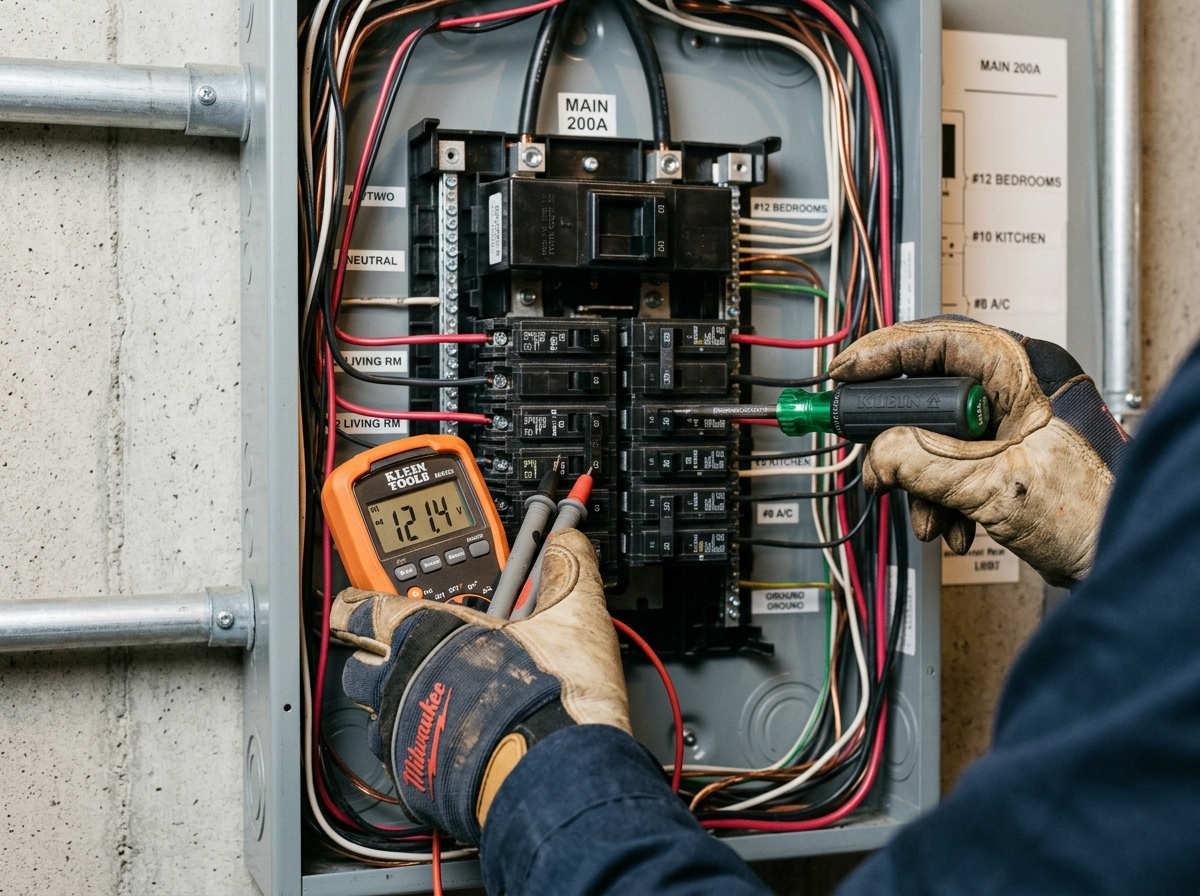
In addition, many older homes in Bothell still operate on 100-amp or 125-amp electrical service. Adding a 40A or 50A continuous charging load to a panel that already powers a heat pump, electric water heater, and dryer will cause frequent nuisance trips of the main breaker. Our certified technicians perform professional load calculations, specify industrial-duty Hubbell or Bryant hardware or direct hardwiring, and ensure your home's electrical service safely supports your vehicle.